
Commercial Waste Management Services
Wanless Waste Management is Australian-owned and operated with recycling and sustainability at the core of its operations. We partner with our customers to provide cost-effective commercial waste and recycling solutions that maximise the use of recyclable materials, minimise disposal costs and aim to prevent potential harm to the environment.
Together we can make your business more sustainable ‒ ask us how.
Make an enquiryCommercial Waste Management for a better environment
Diverting food scraps and other organic material like coffee grinds from manufacturing, restaurants, cafes, hotels, offices, retail precincts, schools, universities, aged care facilities and hospitals not only saves the environment but can also save your business money. When organic material is placed in landfill it produces methane gases. By diverting food waste to a recycling facility, new products including compost, mulch and soil are produced.
Some states even have disposal options to a renewable energy facility where organics assist in the production of bio-gas to go back into industry. Organic matter in bins is more dense than other materials ‒ often forming the highest cost component in your general waste collections ‒ so it makes sense to recycle. Wanless is committed to helping our customers improve their environmental performance and to “Create a better future”.
To reduce your business’s carbon footprint and waste sent to landfill, combine an organics recycling service with other Wanless recycling solutions and we will help you become greener and financially leaner. Contact us and our staff will perform an onsite waste assessment, providing your business with a Total Waste Management solution and consolidating all your services into a single supplier – Wanless.
General Waste
Find out more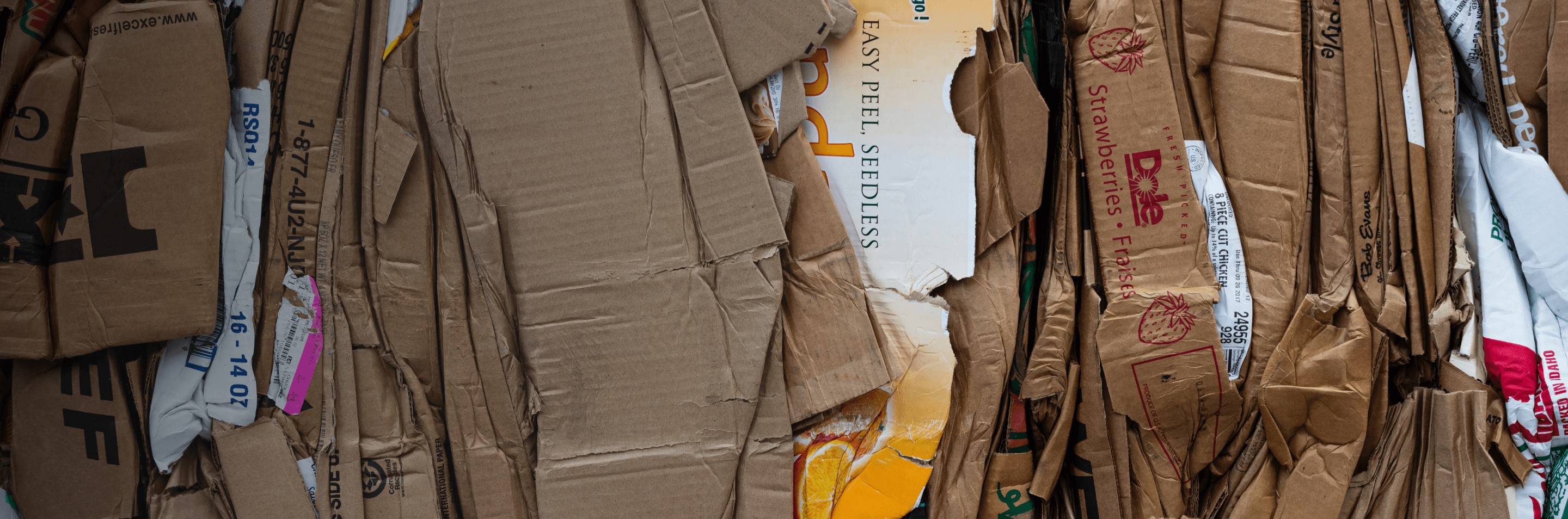
Paper & Cardboard Recycling
Find out more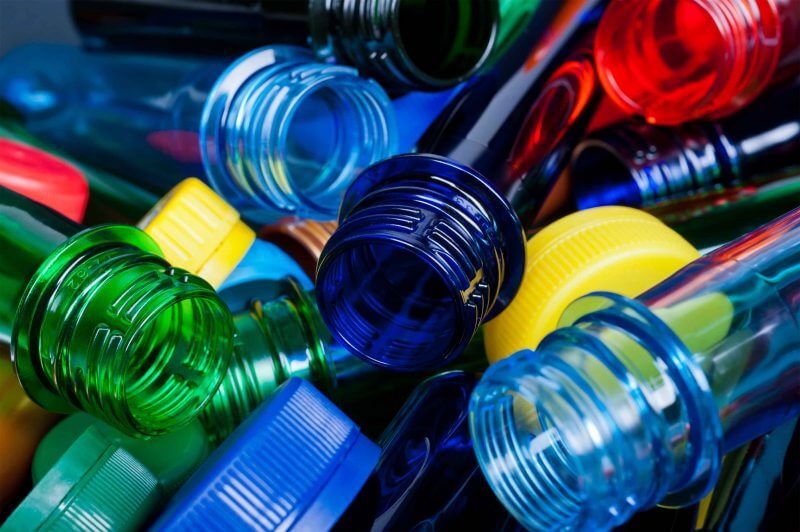
Mixed Recycling
Find out more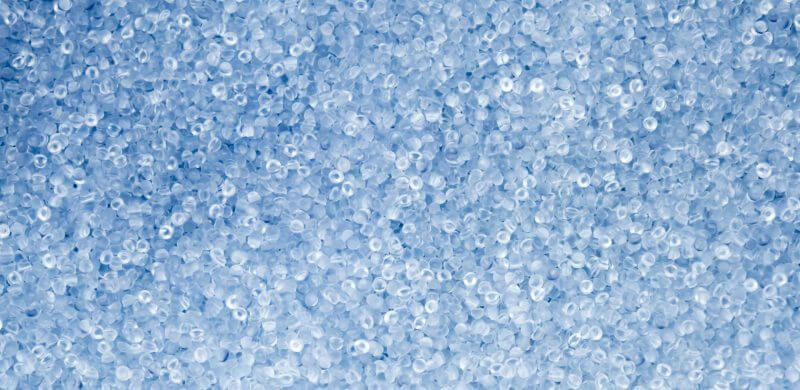
Soft Plastic Recycling
Find out more
Organics & Food Recycling
Find out more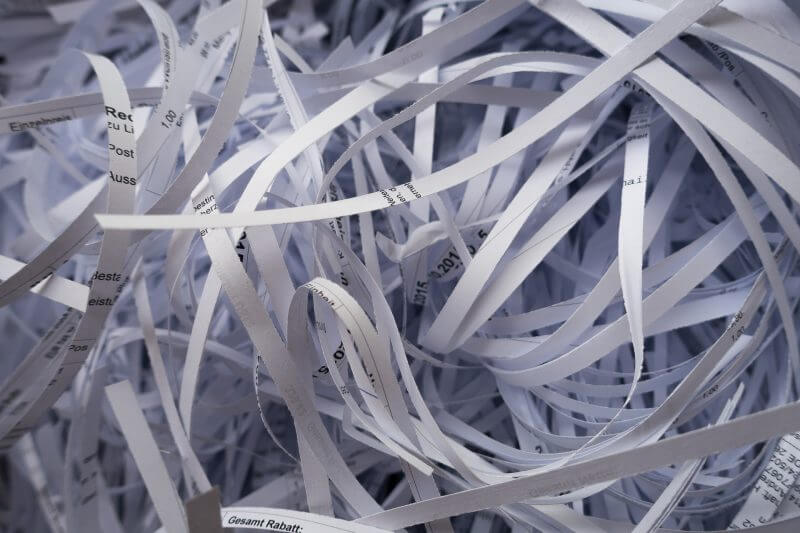
Secure Document Destruction
Find out more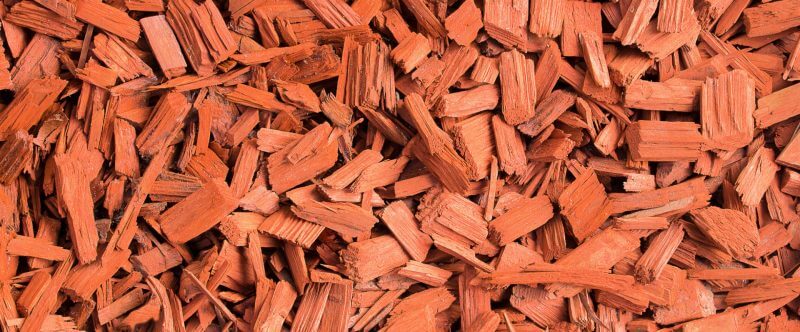
Timber Recycling
Find out more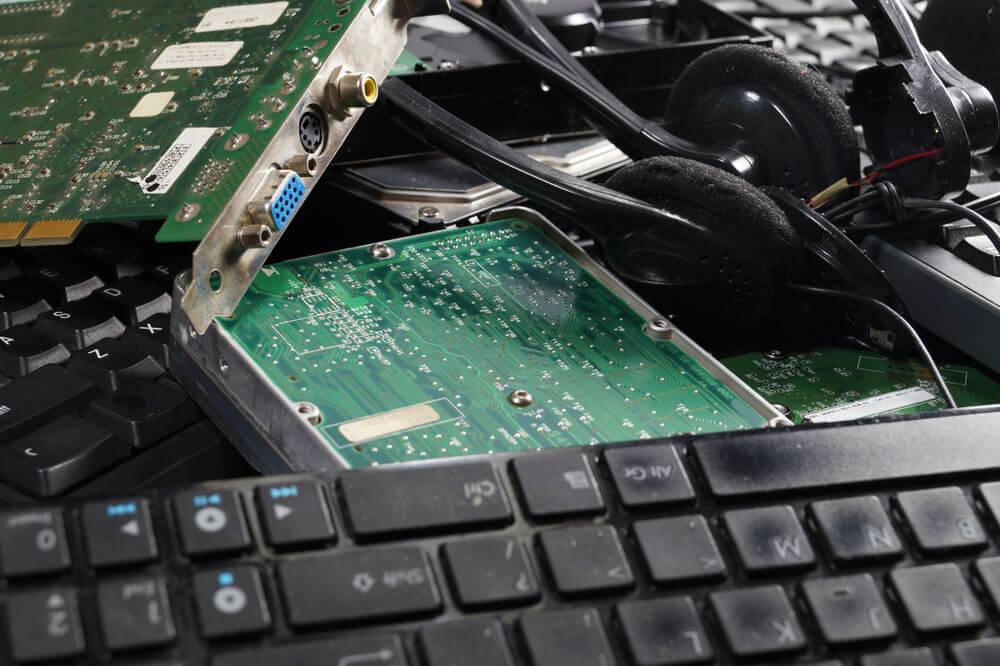
E-Waste Recycling
Find out more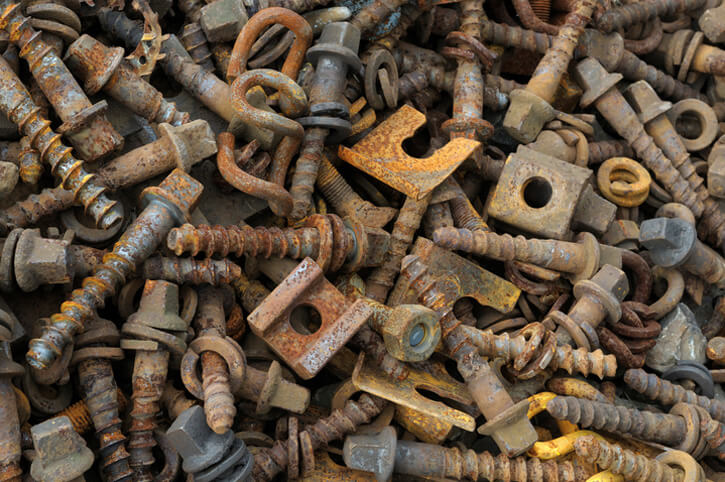
Metal Recycling
Find out more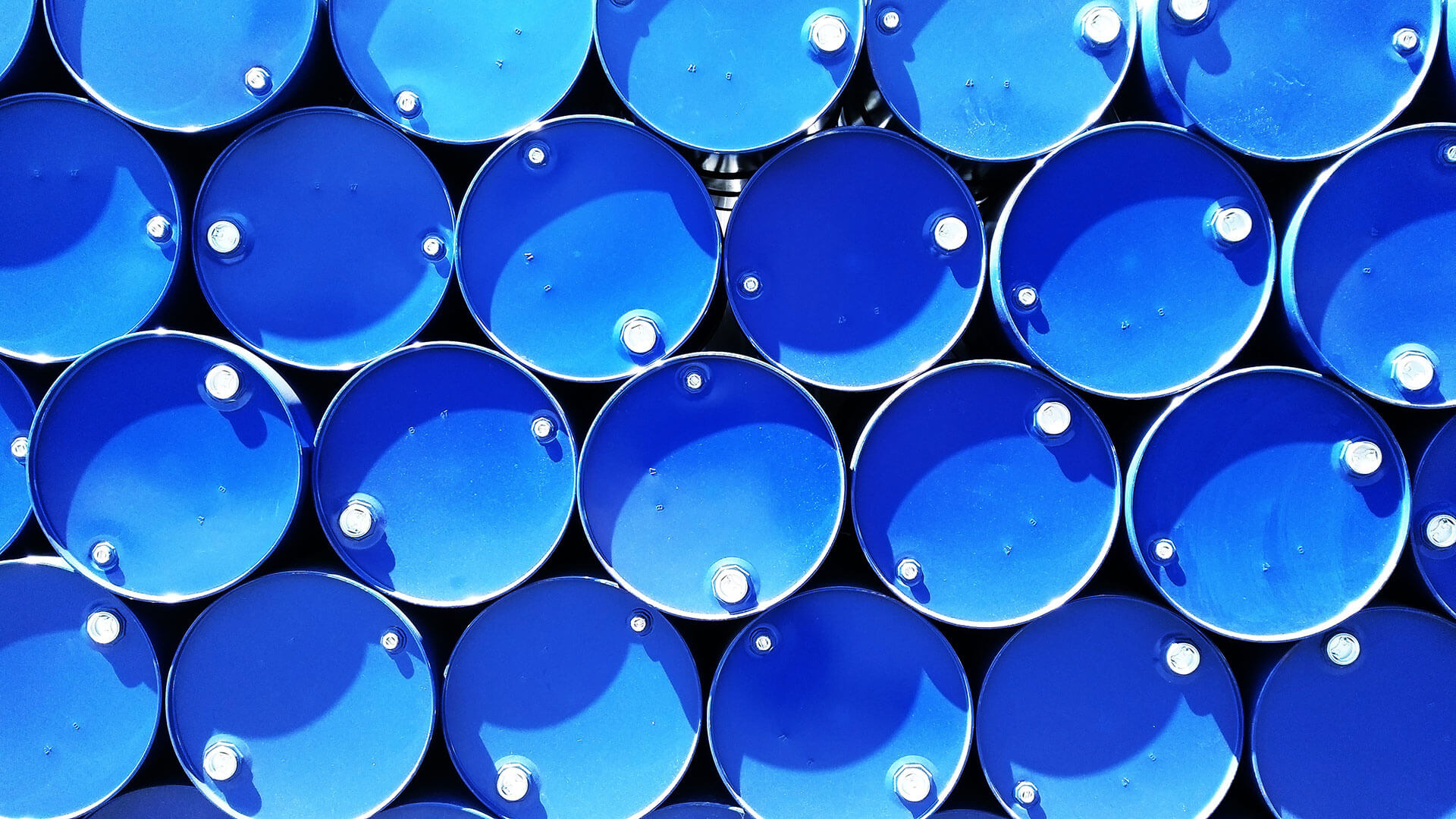
Liquid Waste Services
Find out more
Medical Collections
Find out more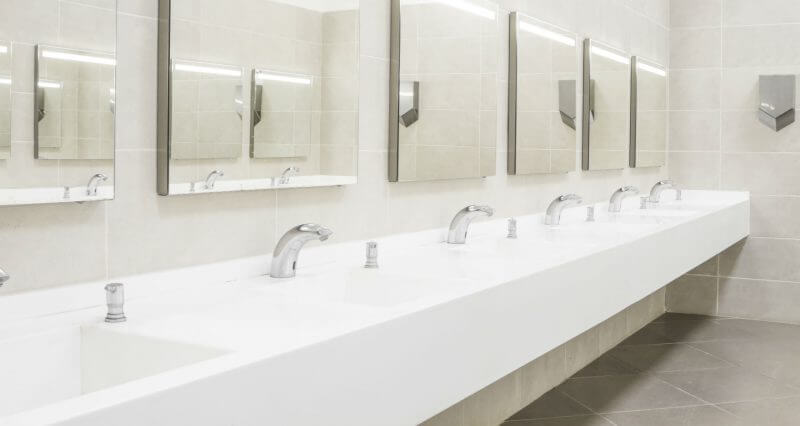
Washroom Services
Find out moreRefuse
We invite clients to join us in our plastic pledge to remove single-use plastics from our business.
Reduce
Cut down on your consumption of products that leave behind a lasting plastic trail.
Reuse
Containers, bottles and other everyday items can be reused if we make choices outside of plastic.
Recycle
Pay attention to the life cycle of the products you consume, and how they can be recycled.

We’re more than waste management
A staggering 9 million tonnes of plastic ends up in the world’s oceans each year, and land-based waste is the greatest polluter. This ocean debris affects about 700 marine species, some of which are now endangered.
To help turn the tide on plastic pollution, Wanless eco(logical) is investing in Australia’s oceans.

Waste management doesn’t have to be a burden to your business.
Create real transformation with a Wanless refuse, reduce, reuse, recycle waste management plan
CONTACT US TODAYStay up to date with our latest news and events